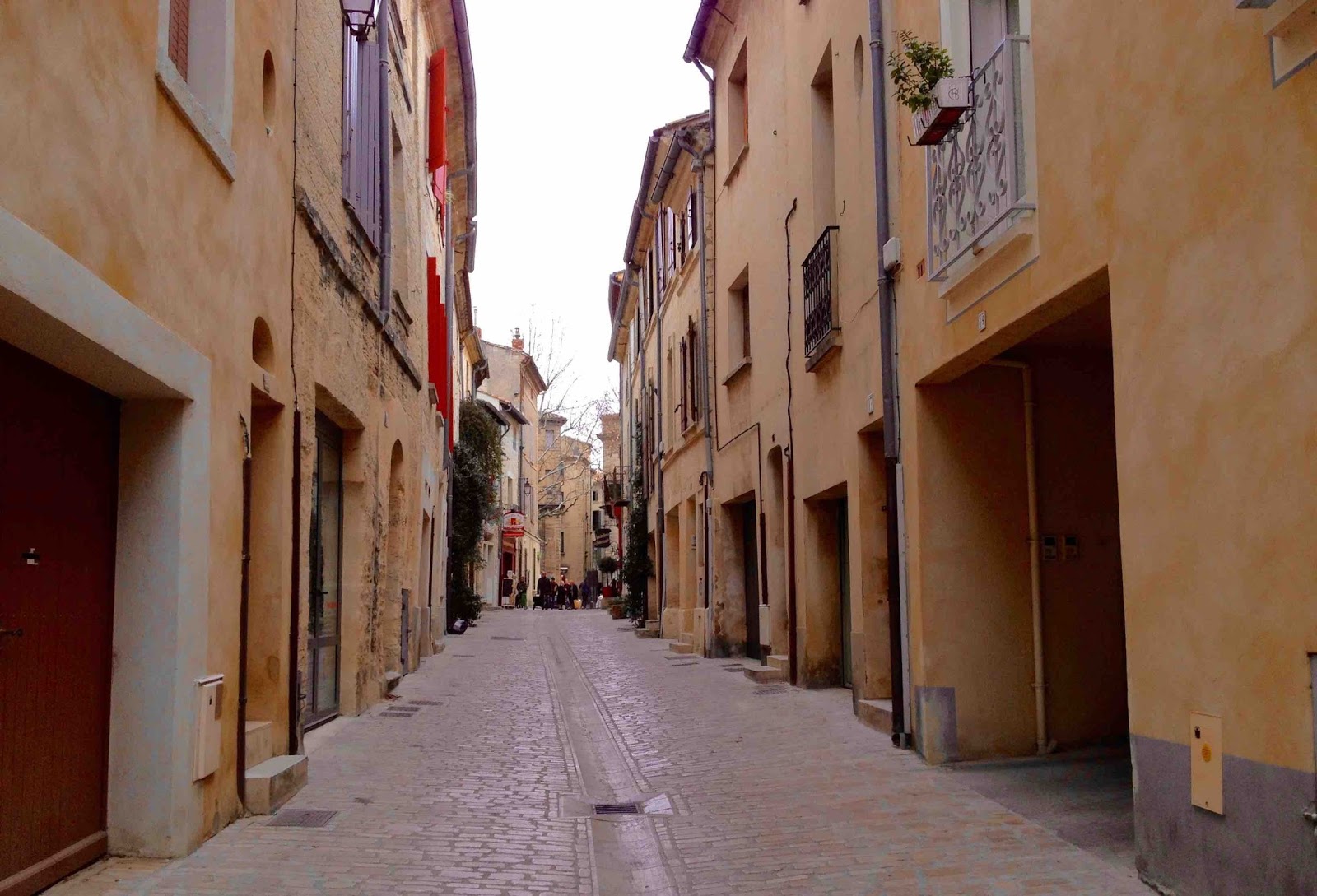
The Hague? Well, why not? I'd never been and I find it hard to say no to anywhere new, but if I'm going to be truthful, I didn't think it would be terribly... Well, isn't it best known for where they hold war crime trials? Oh, and
The Girl with the Pearl Earring, of course. So let's just say that I went off for the weekend with fairly low expectations...

The first thing I always want to do when I get to the Netherlands is count windmills. So, one... And then I forgot to count any more and we did see some, but it wasn't like we were falling over them.

I'd worried, completely unnecessarily as it turned out, how we'd get from Schiphol to the Hague. In fact, it's exceedingly simple: you buy a ticket in the airport terminal, go downstairs and get on a train and– Nope, there's nothing more to say, because that's it. In fact, that seems to be true of all travel in the Netherlands. It's always terribly simple and straightforward.

Now that we were in the Hague, how were we going to spend our time? We hadn't made any real plans, though I had various ideas: we could go look at the building that houses the International Court of Justice, we could go to the Mauritshuis and see Vermeer's The Girl with the Pearl Earring as well as plenty of other famous paintings from the Dutch Golden Era, we could eat crepes, we could... Well, that's where my ideas ran out.

What about going to the beach? Now there's a thought. So, a look at the map and yes, there was a tram we could hop that would take us right there. And, as a bonus, we could see plenty of the Hague as we trundled past.


Now here's a thing: the buildings here, whether they're official or simply family homes, are awfully pretty. So much so, that it's a delight just to look at them. That was a surprise. And here's another thing: the beach is wide, long, sandy and windy. People come to ride those land-based sailboats on it, or walk along it or eat alongside it. If it's winter, there's even a pop-up skating rink by it. However, we went for the enticing, entirely covered pier. Unlike many British piers, which can have a slightly tawdry, faded glory feel to them, this one is very jolly and surprisingly upmarket. Pulled pork? Dirty burger? Craft beer? Cocktail? Crêpes? Absolutely. And why don't you enjoy your order on a slouchy leather sofa pulled up to a roaring open fire, while the wind lashes the windows with sea spray? It's nice and warm and clearly a destination for families, couples and friends to hang out. If this all sounds far too tame, there is a bungy jump out at the end...


We were pre-booked in to visit possibly the Hague's most banging newish restaurant that evening.
Mama Kelly, named after a song when the owners couldn't decide what to call it (or so our waitress told us), is housed in an old cigarette factory in what was once an industrial park by a canal. Like so many once-gritty spots, this one has been reborn as a creative hub and Mama Kelly is booked out most nights of the year, so be sure to make a reservation. It has several USPs, including a short but very good menu featuring whole North American lobsters, great French fries, delicious cheesecake and a house DJ spinning vinyls of folks like Stevie Wonder. Just a tip: this is probably the only place in the Hague where public transport won't bring you to the door, so do order a taxi.


Our hotel was the
Grand Winston, which isn't strictly in the Hague, but in a district midway to Delft called Rijswijk. It's so easy to get to though, by bus, tram or train – literally five minutes via the latter mode of transport – that it makes no difference and on the plus side is already halfway to Delft, of which more in a moment. First though, I have to say what makes the Grand Winston such a great stay: one, the staff, who are friendly and helpful and have a wonderful nothing-is-too-much-trouble attitude; two, it's a calm, clean, comfortable hotel with plenty of luxury touches, like in-room Nespresso machines, huge windows and three restaurants and a bar on site, plus, you can rent bicycles here for just €7.50 per day and add a picnic for two in a pretty basket for €25; three – and this really can't be overstated – the most amazing breakfast buffet. Plenty of choices, like umpteen kinds of breads and pastries, cold meats, cheeses, smoked salmon, eggs anyway you want them, including bespoke omelettes, sausages, baked beans and a whole gluten-free section and, absolutely best of all, especially for an American (or Canadian, I'm guessing), real pancakes with Vermont maple syrup. So delicious, it was very easy to overeat and it was still only morning....


Day two saw us heading to Delft, which was one five-minute stop on the train from Rijswijk and definitely worth a visit. It's like a dinky version of Amsterdam: all pretty canal-side merchants' houses, churches with crazy-tall bell towers you can climb – and climb and climb, cosy coffee shops and, of course, plenty of stores selling that blue and white china. You could go out to the factory if you felt like it or you could just wander the pretty canals and squares and gawp at the cheese shops, which make pretty displays in all their brightly coloured wrappers. We even saw green cheese (and, now you've seen my picture, so have you).


Back in the Hague and we checked out the shopping street of Spuistraat and Hoogstraat, filled with upmarket clothing brands and Scandi labels, and did a lot of wandering through pretty streets. Too soon it was time to leave and we still hadn't got over to the Mauritshuis or the Courts of Justice or... Well, it's clear there's a lot more than I thought in the Hague.

While we were buying our last order of chips and mayonnaise, in the Hague train station, I saw a contraption that reminded me very much of the old Horn & Hardarts – those early fast-food cafeterias where each dish was in its own little compartment and you paid to open the door to get at it – in New York City, which then reminded me how often it happens that something in a European city will be very similar to something old school in America – and then I remind myself that, really, it must be the other way around.

 The first thing I always want to do when I get to the Netherlands is count windmills. So, one... And then I forgot to count any more and we did see some, but it wasn't like we were falling over them.
 I'd worried, completely unnecessarily as it turned out, how we'd get from Schiphol to the Hague. In fact, it's exceedingly simple: you buy a ticket in the airport terminal, go downstairs and get on a train and– Nope, there's nothing more to say, because that's it. In fact, that seems to be true of all travel in the Netherlands. It's always terribly simple and straightforward.
 Now that we were in the Hague, how were we going to spend our time? We hadn't made any real plans, though I had various ideas: we could go look at the building that houses the International Court of Justice, we could go to the Mauritshuis and see Vermeer's The Girl with the Pearl Earring as well as plenty of other famous paintings from the Dutch Golden Era, we could eat crepes, we could... Well, that's where my ideas ran out.
 What about going to the beach? Now there's a thought. So, a look at the map and yes, there was a tram we could hop that would take us right there. And, as a bonus, we could see plenty of the Hague as we trundled past.
 Now here's a thing: the buildings here, whether they're official or simply family homes, are awfully pretty. So much so, that it's a delight just to look at them. That was a surprise. And here's another thing: the beach is wide, long, sandy and windy. People come to ride those land-based sailboats on it, or walk along it or eat alongside it. If it's winter, there's even a pop-up skating rink by it. However, we went for the enticing, entirely covered pier. Unlike many British piers, which can have a slightly tawdry, faded glory feel to them, this one is very jolly and surprisingly upmarket. Pulled pork? Dirty burger? Craft beer? Cocktail? Crêpes? Absolutely. And why don't you enjoy your order on a slouchy leather sofa pulled up to a roaring open fire, while the wind lashes the windows with sea spray? It's nice and warm and clearly a destination for families, couples and friends to hang out. If this all sounds far too tame, there is a bungy jump out at the end...
 We were pre-booked in to visit possibly the Hague's most banging newish restaurant that evening. Mama Kelly, named after a song when the owners couldn't decide what to call it (or so our waitress told us), is housed in an old cigarette factory in what was once an industrial park by a canal. Like so many once-gritty spots, this one has been reborn as a creative hub and Mama Kelly is booked out most nights of the year, so be sure to make a reservation. It has several USPs, including a short but very good menu featuring whole North American lobsters, great French fries, delicious cheesecake and a house DJ spinning vinyls of folks like Stevie Wonder. Just a tip: this is probably the only place in the Hague where public transport won't bring you to the door, so do order a taxi.
 Our hotel was the Grand Winston, which isn't strictly in the Hague, but in a district midway to Delft called Rijswijk. It's so easy to get to though, by bus, tram or train – literally five minutes via the latter mode of transport – that it makes no difference and on the plus side is already halfway to Delft, of which more in a moment. First though, I have to say what makes the Grand Winston such a great stay: one, the staff, who are friendly and helpful and have a wonderful nothing-is-too-much-trouble attitude; two, it's a calm, clean, comfortable hotel with plenty of luxury touches, like in-room Nespresso machines, huge windows and three restaurants and a bar on site, plus, you can rent bicycles here for just €7.50 per day and add a picnic for two in a pretty basket for €25; three – and this really can't be overstated – the most amazing breakfast buffet. Plenty of choices, like umpteen kinds of breads and pastries, cold meats, cheeses, smoked salmon, eggs anyway you want them, including bespoke omelettes, sausages, baked beans and a whole gluten-free section and, absolutely best of all, especially for an American (or Canadian, I'm guessing), real pancakes with Vermont maple syrup. So delicious, it was very easy to overeat and it was still only morning....
 Day two saw us heading to Delft, which was one five-minute stop on the train from Rijswijk and definitely worth a visit. It's like a dinky version of Amsterdam: all pretty canal-side merchants' houses, churches with crazy-tall bell towers you can climb – and climb and climb, cosy coffee shops and, of course, plenty of stores selling that blue and white china. You could go out to the factory if you felt like it or you could just wander the pretty canals and squares and gawp at the cheese shops, which make pretty displays in all their brightly coloured wrappers. We even saw green cheese (and, now you've seen my picture, so have you).
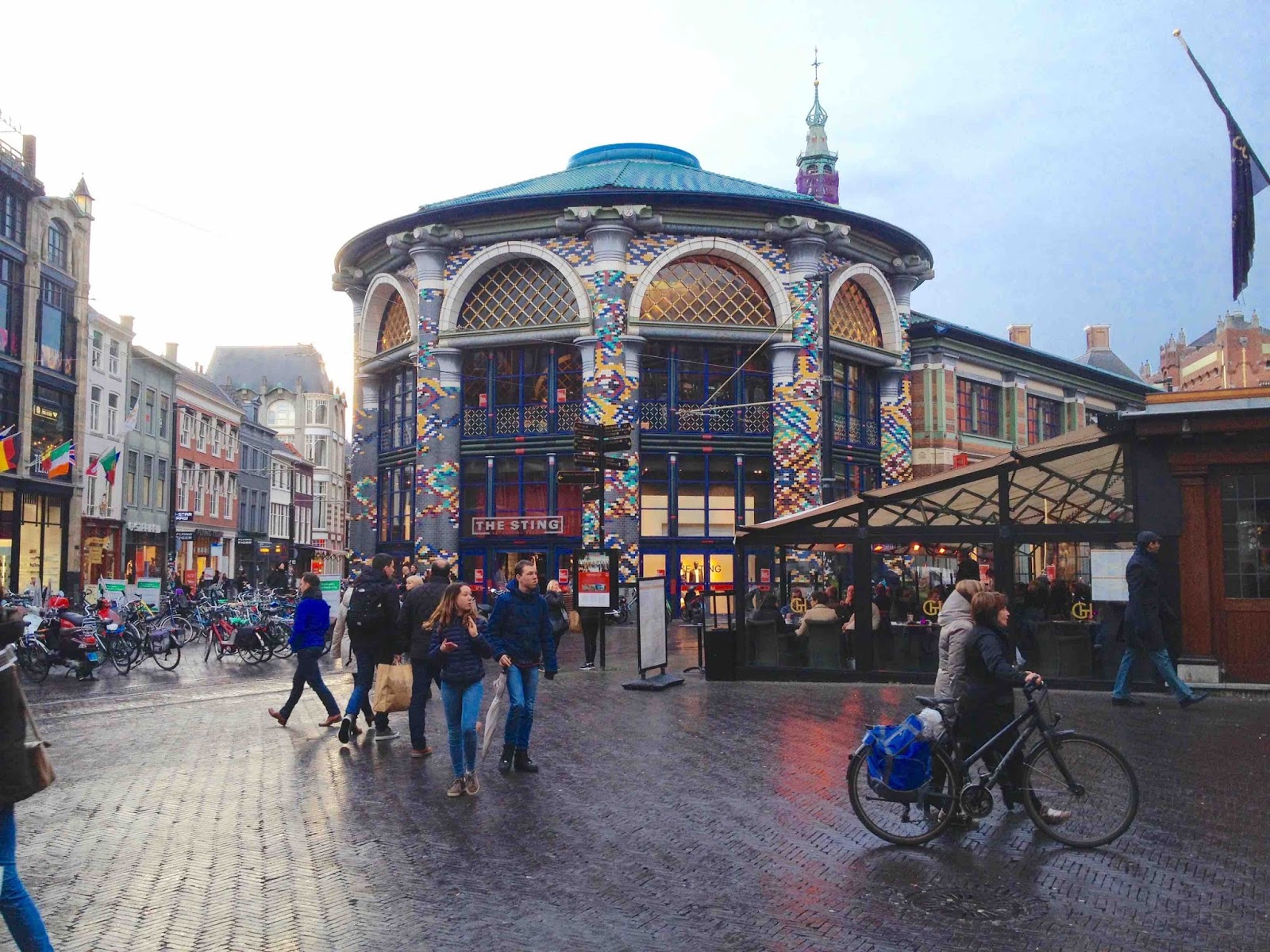 Back in the Hague and we checked out the shopping street of Spuistraat and Hoogstraat, filled with upmarket clothing brands and Scandi labels, and did a lot of wandering through pretty streets. Too soon it was time to leave and we still hadn't got over to the Mauritshuis or the Courts of Justice or... Well, it's clear there's a lot more than I thought in the Hague.
 While we were buying our last order of chips and mayonnaise, in the Hague train station, I saw a contraption that reminded me very much of the old Horn & Hardarts – those early fast-food cafeterias where each dish was in its own little compartment and you paid to open the door to get at it – in New York City, which then reminded me how often it happens that something in a European city will be very similar to something old school in America – and then I remind myself that, really, it must be the other way around.